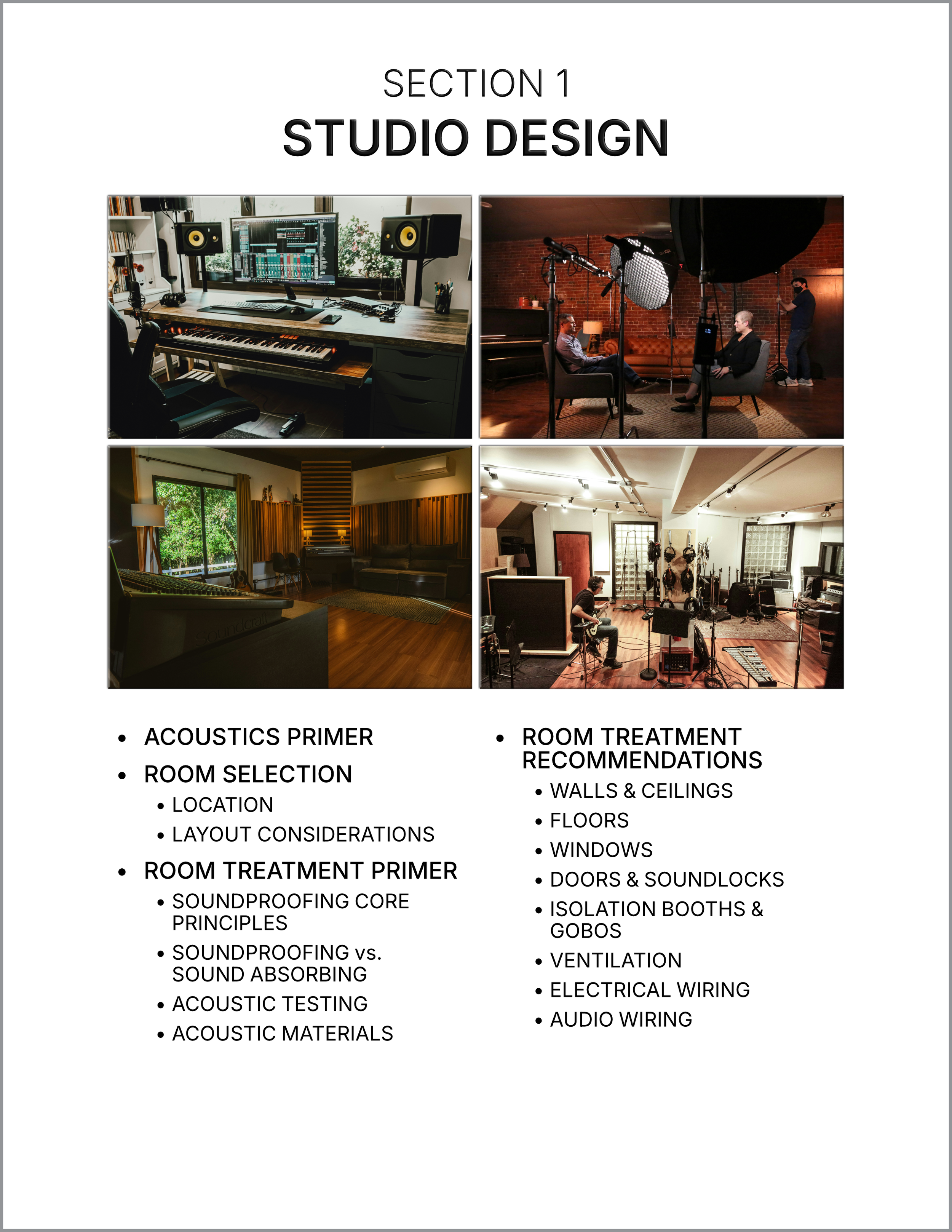
Before making any significant modifications to your home, consider the types of projects you will be working on, select a room or rooms to use and remember that designing your creative workspace is all about controlling sound. The acoustic quality of a room is affected by factors such as:
The dimensions and shape of the room.
Surface materials (wallboard, wood, glass, drapery, carpeting, etc.).
How the furnishings in the room reflect or absorb sound waves.
How well the room contains sounds generated from within the room and prevents outside sounds from entering.
ACOUSTIC TESTING RESOURCES
Once you have determined which room or rooms you will be using in your home you will want to take acoustic readings of the ambient noise levels in each room you are considering, as well as all adjacent rooms. You should also take readings of the areas around your home, including your backyard or common area, local streets, and parks or businesses that are within earshot of the rooms you will be using. Take multiple readings throughout the day under all expected working conditions and make special note of regularly occurring sounds.
Measurements are taken with a Sound Level Meter (SLM) and are indicated in dB SPL (decibels of Sound Pressure Level). Click on the images below to shop for SLMs.
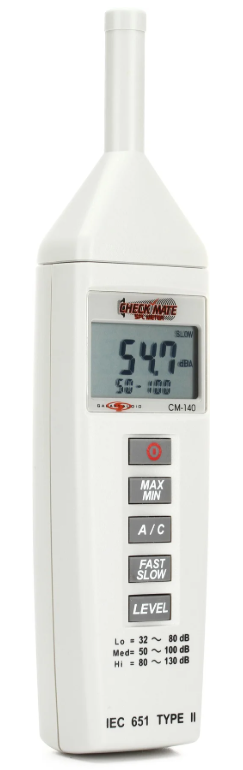
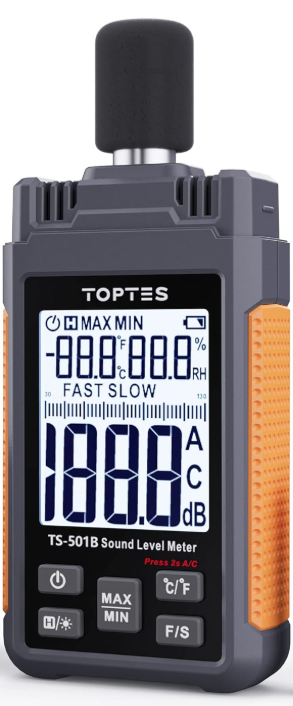
Sound Level Meters
ACOUSTICS GEOMETRY offers educational videos, an Acoustics 101 page, and a wide range of innovative, and affordable acoustical solutions. The following blog is a good place to start: “Acoustic Testing Basics: What It Is, Why It Matters, and How to Get Started (Part 1)”
The website Audio Check gives you access to an extensive collection of sound tests, playable online and downloadable in high-quality audio files. The audio material provided will help you assess the audio equipment connected to your computer. Using this website, you will be able to:
Perform tests of your hearing, speakers, headphones, and digital-to-analog converters.
Design your own sound tests using our high quality waveform generators.
Download sound files to your favorite audio player, and use your player as a portable audio test device.
ACOUSTIC MATERIALS RESOURCES
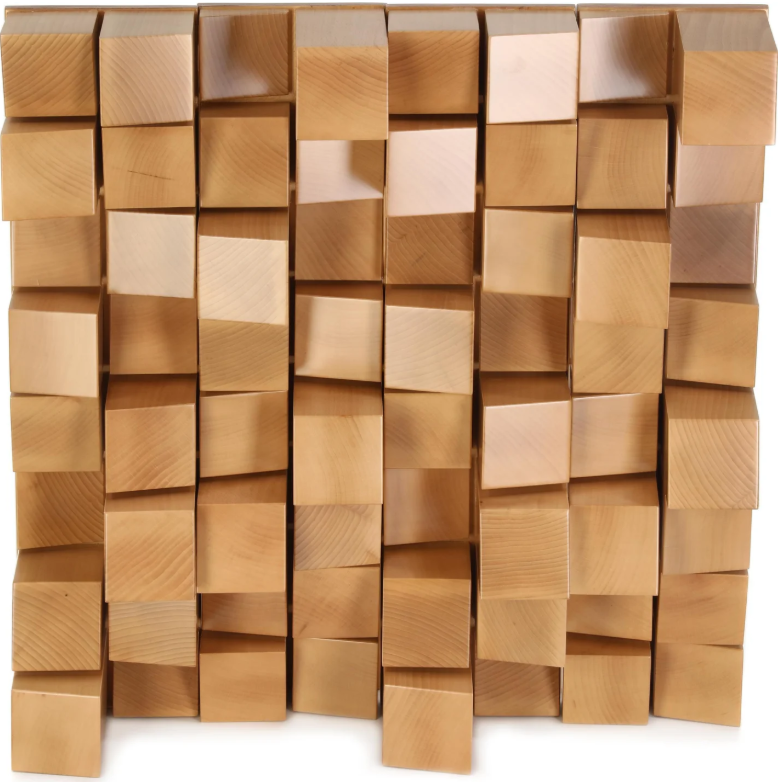
Acoustic materials can function as Sound Diffusers, Sound Absorbers, or Sound Blockers. These are used, often in combination, to reduce or redirect sound and improve the audio quality of a room. You can find a wide variety of acoustic materials at Sweetwater and Amazon or click on one of the images below.
Sound Diffusers
These materials scatter sound waves rather than absorb them, helping to create a more natural and balanced sound.
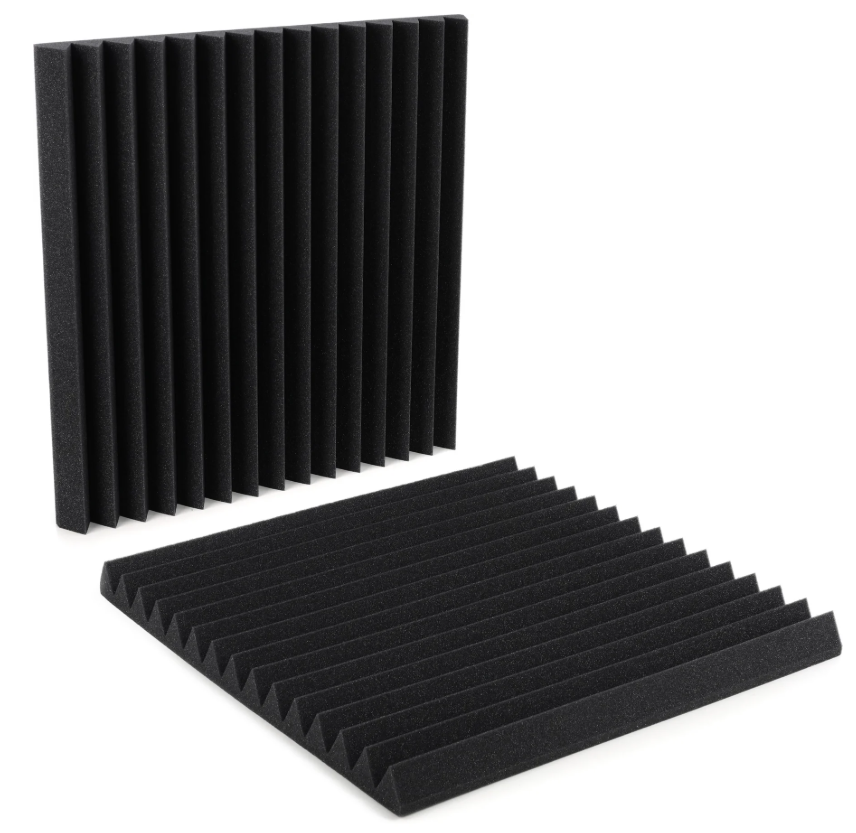
Sound Absorbers
These materials are porous, lightweight, and are used to reduce reflections within a room, improving sound clarity.
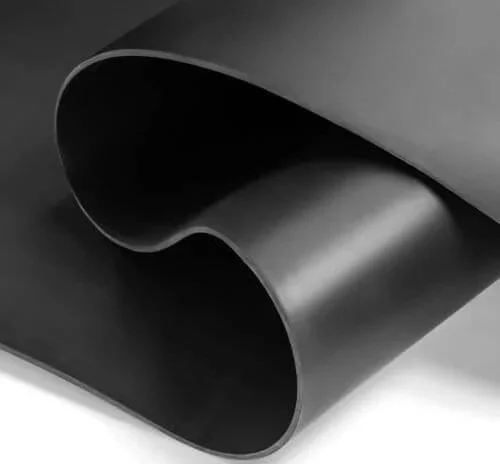
Sound Blockers
Sound blocking materials, which are dense and/or massive, prevent sound from traveling between spaces.
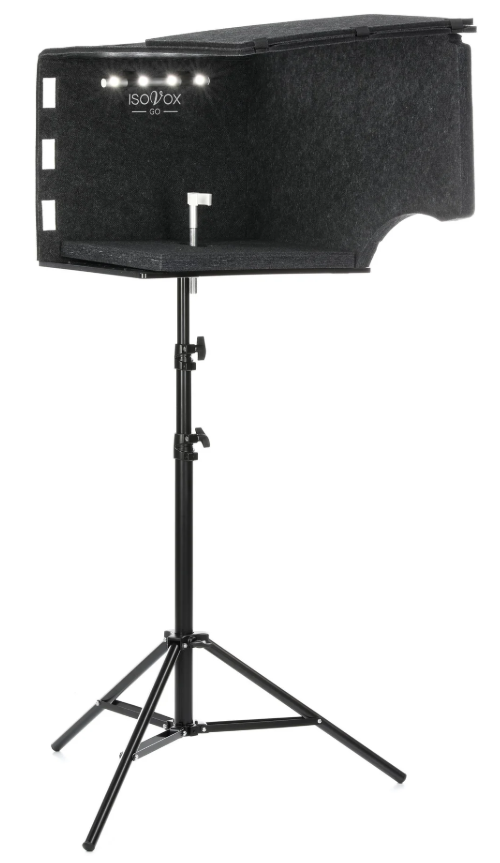
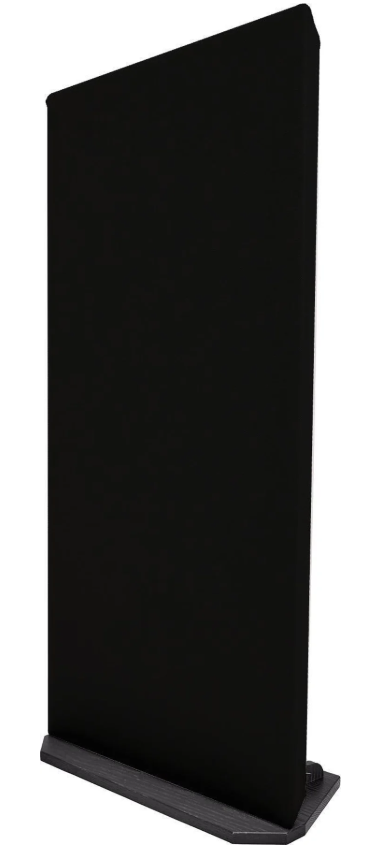
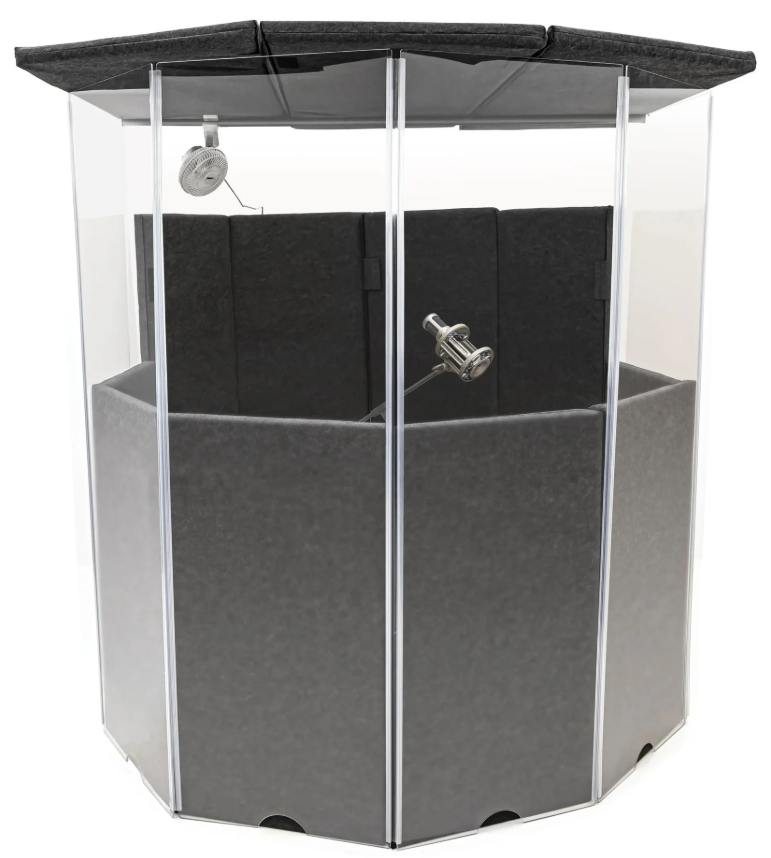
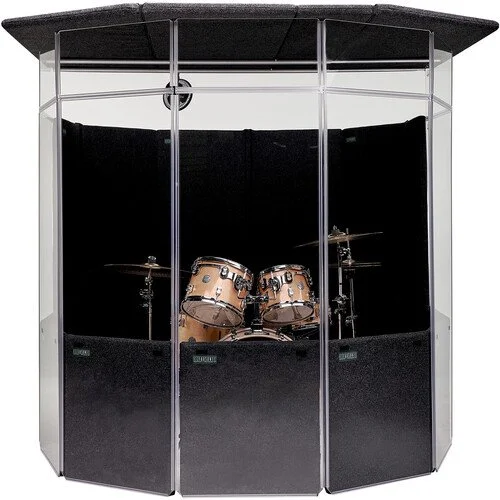
Isolation Booths & gobos
Isolation booths are designed to offer maximum isolation from outside noise and other instruments playing in the same room. Drum and vocal isolation booths are widely available at reasonable prices are a good option for one-room studios. Many home studio owners now use microphone stand mounted mobile vocal booths for reducing unwanted room reflections. You can also purchase or build movable partitions called gobos, which allow you to modify the room's acoustics on the fly.
SOUND TRANSMISSION CLASS (STC)
The system that rates the sound-blocking efficiency of a wall or barrier is called the Sound Transmission Class (STC). The STC number of a material indicates how effectively it blocks airborne sound waves. Sound transmission losses occur as sound waves travel through a barrier and vary depending on the frequency of the sound waves. Acoustical engineers have adopted STC numbers as a measure of the resistance to sound transmission of a building element. The higher the class number, the greater the sound barrier. Your goal should be to get your recording and mixing rooms between STC 45 and 60. For more information see the following:
Sound Transmission Class (STC): Wikipedia ArticleUnderstanding Sound Transmission Class (STC) Rating: Acoustical Surfaces, Inc.STC Ratings For Various Wall Assemblies: STC Ratings.com
ROOM TREATMENT RESOURCES
IsoStore offers a range of soundproofing and noise-dampening products: IsoStoreHome Studio Acoustic Treatment Techniques For Audio Professionals: Acoustics InsiderSoundproofing a Room: Everything You Need to Know for Better Recordings: StudioBricksHow To Soundproof A Room: Krisp BlogHow To Soundproof A Room 100%: Acoustical Surfaces, Inc.How to Soundproof an Apartment Like a Pro: Acoustiblok
